



English
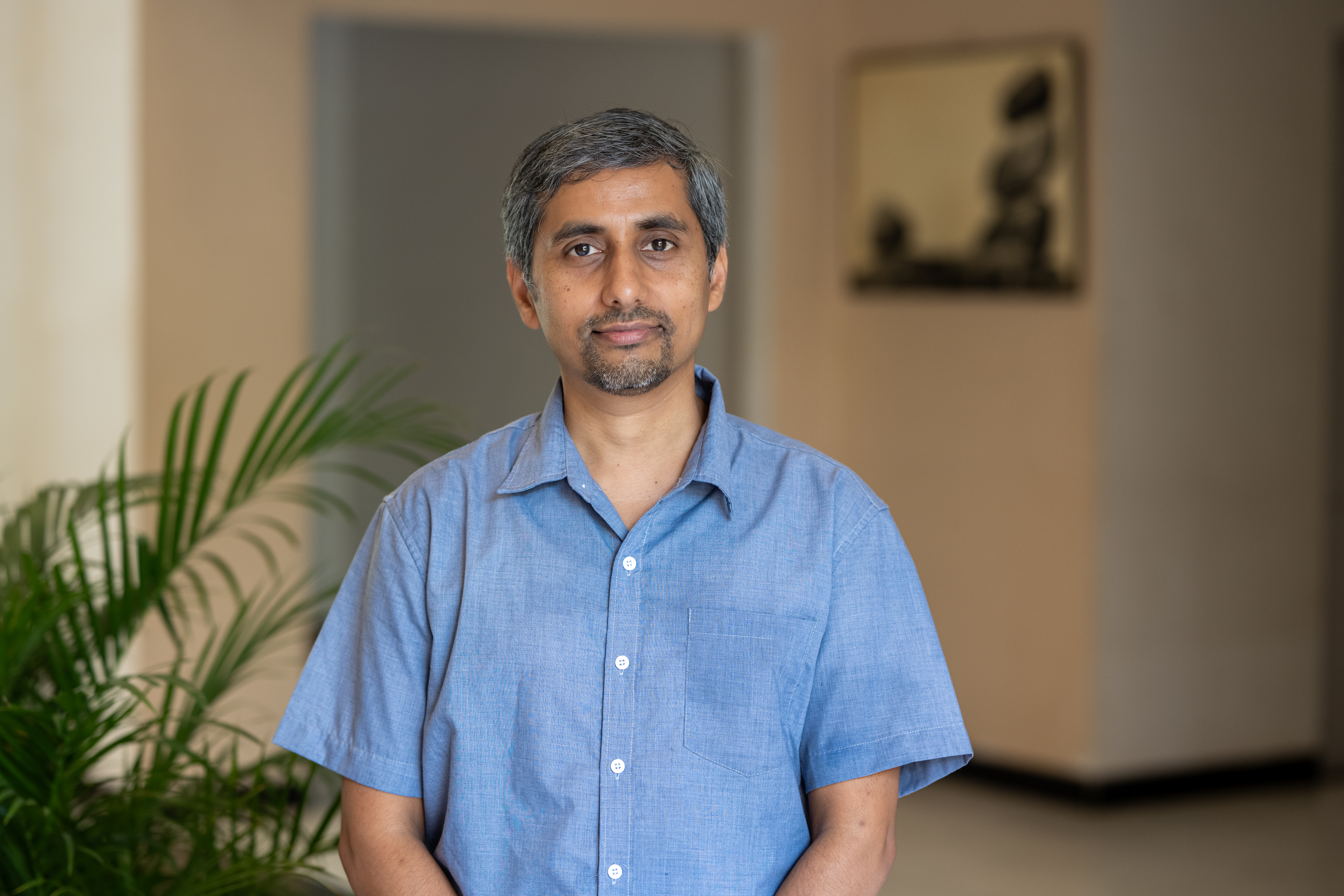
Deepak Pandey
Contact: +91 020 2560 4100
E-mail: deepak.pandey[at] iucaa [dot] in
Homepage: -
Publications: Link
Prof. Deepak Pandey earned his doctoral degree in Quantum Optics at Raman Research Institute in Bangalore, India. He then moved to L'Institut d'Optique Bordeaux, France to research on the topic of ultra-cold atoms, Bose-Einstein-Condensate and optical resonators.
During his postdoctoral tenure at the University of Bonn, Germany, he further expanded his expertise in the field of cavity quantum electrodynamics (cavity-QED), working with systems involving single-atoms trapped inside optical cavities. He also specialized in the sophisticated design of fiber-based resonators and investigated their applications in atomic physics, sensing, and quantum technology.
Prior to joining IUCAA in 2025, he worked as a Project Leader at Menlo Systems GmbH in Munich, where he led research initiatives focused on optical resonator systems, atomic clocks and their applications.
His current research interests include instrumentation for the LIGO-India project, quantum state generation using cavity-QED systems, precision measurements, and quantum technologies at the interface of astronomy and astrophysics.
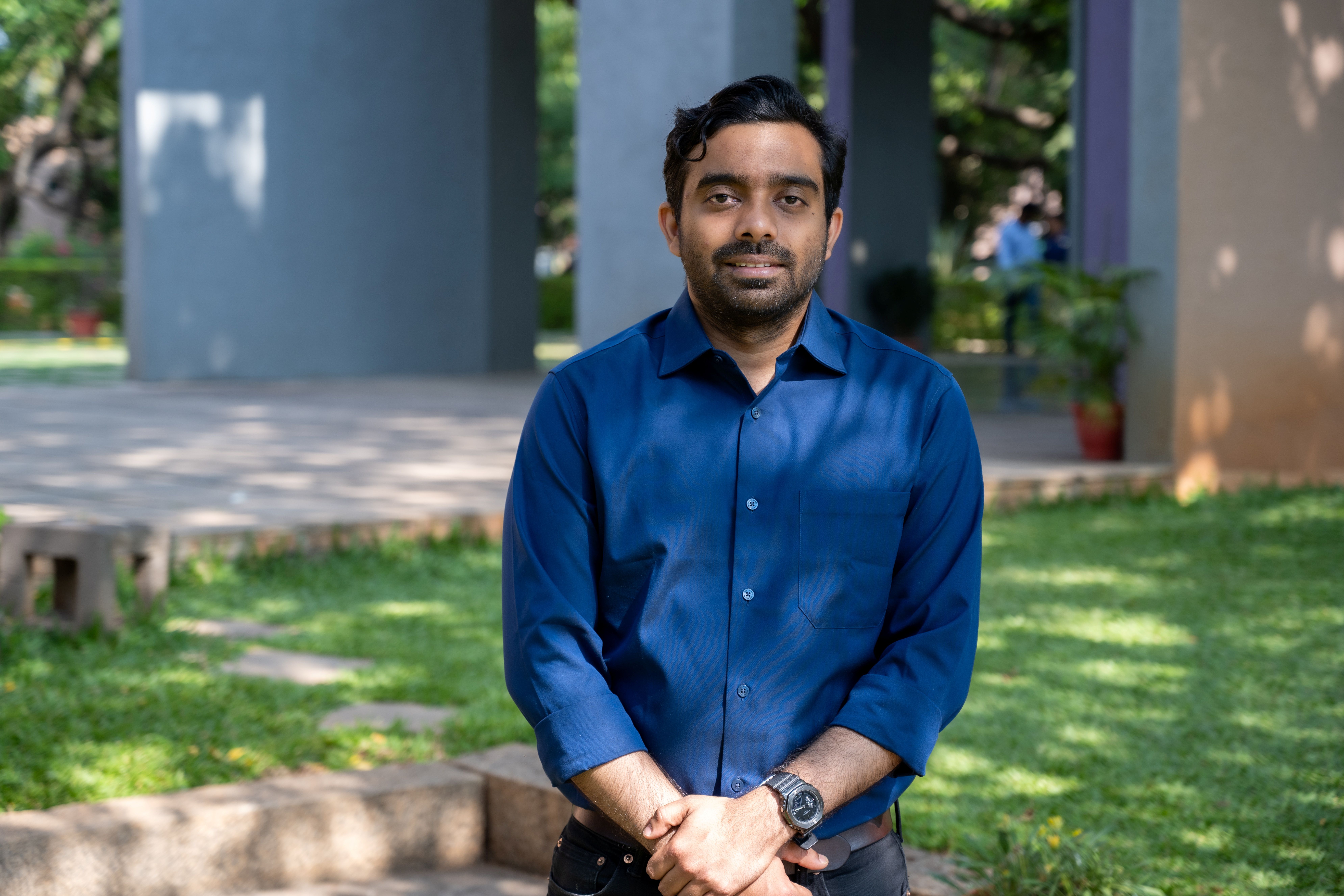
Nikhil Mukund
Contact: +91 020 2560 4111
E-mail: nikhil [at] iucaa [dot] in
Homepage: -
Publications: Link
-
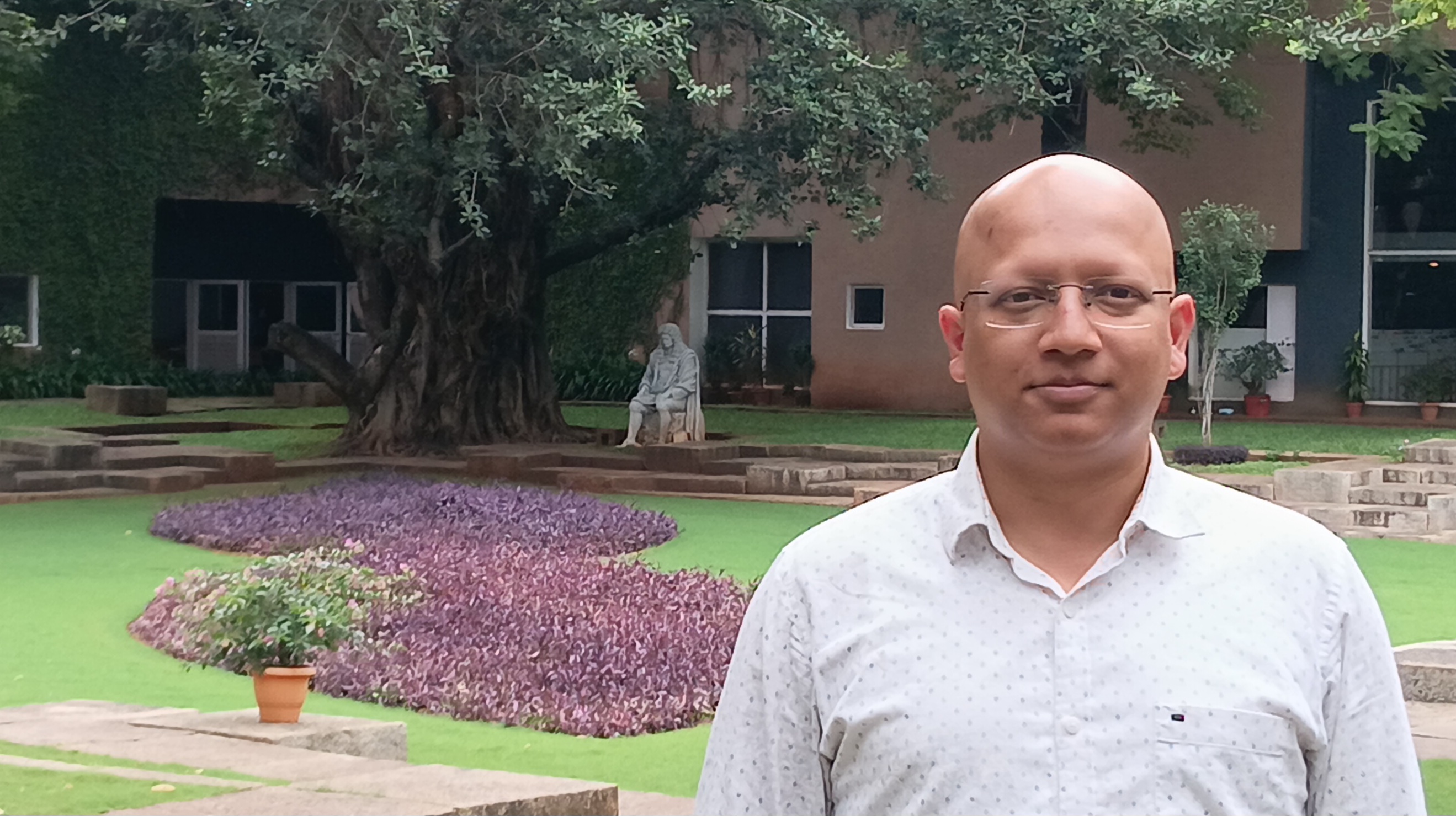
I am an observational and experimental astrophysicist at IUCAA. My research aims at combining the development of new astronomical instruments and observational techniques with their application to a range of astrophysical problems. My interests include developing advanced polarimetric, spectroscopic, and integral-field techniques to study interstellar dust and magnetic fields, exoplanets, and astrophysical transients such as supernovae.
One important question I am currently pursuing is how the physical and chemical properties of dust vary and evolve across different environments in the Galaxy and the nearby Universe. For this, I am developing new optical and near-infrared instruments to carry out the largest spectropolarimetric survey of interstellar dust in our Galaxy and nearby galaxies.

Professor Dadhich made seminal contributions to relativistic gravitation and its applications to astrophysics and cosmology. His research also advanced the understanding of higher-dimensional Gauss–Bonnet gravity and its implications for four-dimensional spacetime, as well as fundamental conceptual issues in the unification of forces and quantum gravity. Beyond his scientific research, he was deeply committed to promoting a meaningful dialogue between science and society.
Page 8 of 25